Research-led Review
Oura Ring 5 review: smaller, lighter and easier to live with
Oura Ring 5 doesn’t reinvent what an Oura ring does. It makes the hardware less noticeable, keeps the excellent sleep and recovery experience, and gives first-time buyers a better ring to start with. The price and membership still need a serious look.
How this review was put together: AIWearHQ hasn’t personally worn or tested Oura Ring 5. This research-led review combines Oura’s current specifications and UK membership information with seven independent hands-on assessments. We checked areas where reviewers agreed, where their experience differed and which launch features UK owners can actually use.
At a glance
- Best for
- Sleep, recovery and health trends without wearing a watch
- Not ideal for
- Live exercise feedback or anyone avoiding subscriptions
- UK price checked
- From £399; selected premium finishes cost more
- Membership
- First month included, then £5.99 monthly or £69.99 annually
- Official battery
- Typically six to nine days
- Sizes
- 6 to 13; the Ring 5 sizing kit is essential
The short version
Oura Ring 5 is the best version of Oura’s idea so far. It’s noticeably smaller than the previous ring, comfortable enough for long-term wear according to every hands-on assessment we examined, and backed by one of the clearest health apps in the category.
Our view: it’s an excellent first smart ring for people who care most about sleep and recovery. Existing Ring 4 owners have less reason to rush.
What it does well
- Smaller, lighter and easier to forget you’re wearing
- Excellent sleep and recovery presentation
- Useful long-term health trends
- Strong multi-day battery life
What holds it back
- Most of its value depends on membership
- Limited live workout feedback
- Some launch features aren’t available in the UK
- Fewer sizes than Ring 4
Oura Ring 5 arrives with the usual claims about better accuracy and smarter health insights. The more important change is easier to understand: it’s simply less ring to wear.
That sounds like a small upgrade until you remember how a smart ring works. It needs to stay on your finger through sleep, work, walks and fairly uneventful Tuesday afternoons. If it feels bulky enough to keep taking off, the clever app isn’t collecting much useful information.
Across the independent reviews we examined, comfort was the point that kept coming up. The Ring 5 is thinner, lighter and closer to ordinary jewellery than Oura’s previous model. It still costs a lot, the best insights still sit behind a membership, and it remains better at looking back over your health than coaching a workout as it happens. Even with those caveats, this is a strong smart ring and the easiest Oura to recommend to a new buyer.
What Oura Ring 5 actually does
Oura Ring 5 is a screen-free health tracker made from titanium. Its sensors monitor signals including heart rate, heart-rate variability, respiration, skin-temperature changes, movement and blood-oxygen variation. The Oura app turns those readings into daily Sleep, Readiness and Activity scores, then builds longer-term views of stress, recovery, cardiovascular health and other trends.
The ring itself does very little to demand your attention. There’s no screen and no stream of notifications. You wear it, let it gather data and check the app when you want an explanation. That makes it a different proposition from a smartwatch: quieter and more comfortable overnight, but far less useful when you want directions or live figures on your wrist.
The smaller design matters because the ring is easier to leave on.
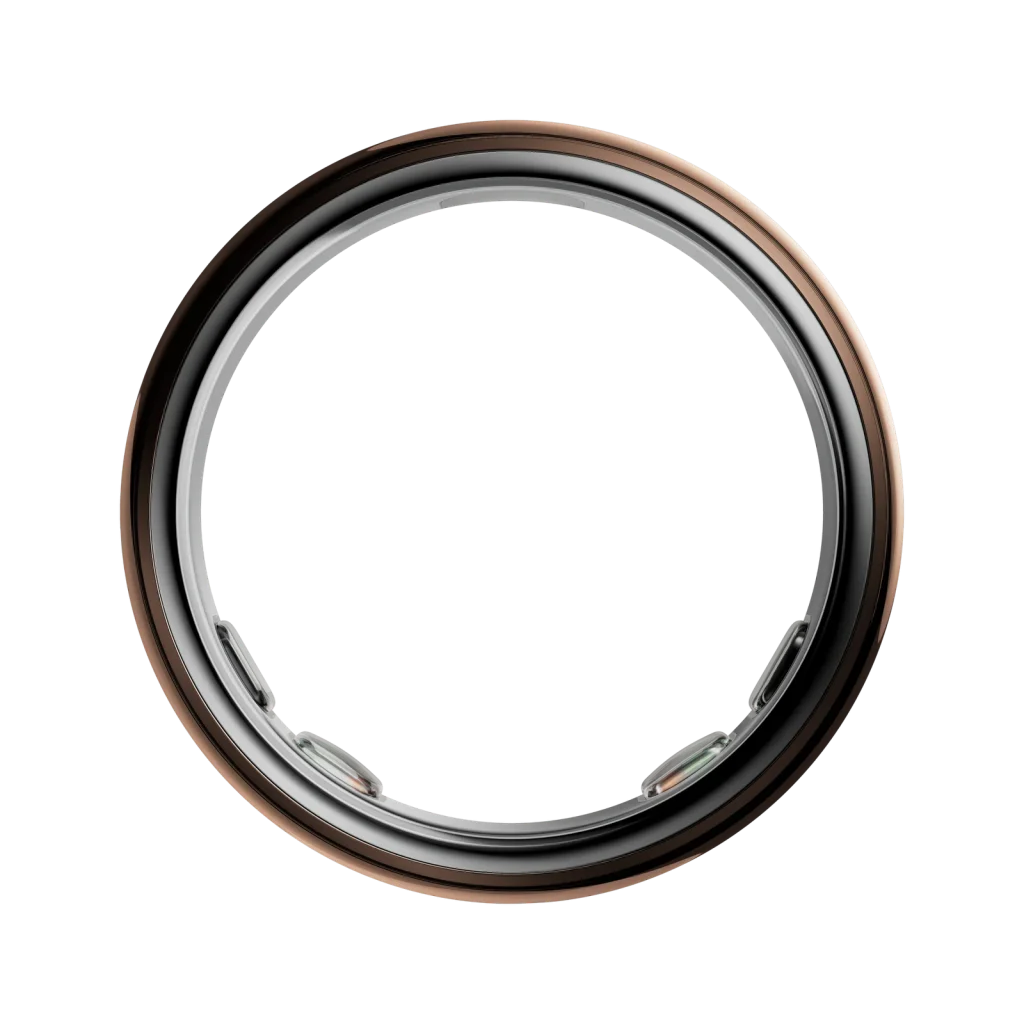
Oura says Ring 5 has 40 per cent less volume than Ring 4. It measures 6.09mm wide and 2.28mm thick, with weight ranging from roughly 2g to 2.69g depending on size. It comes in Black, Silver, Stealth, Brushed Silver, Gold and Deep Rose, with sizes running from 6 to 13.
Design and comfort? Oura Ring 5 is entering new territory
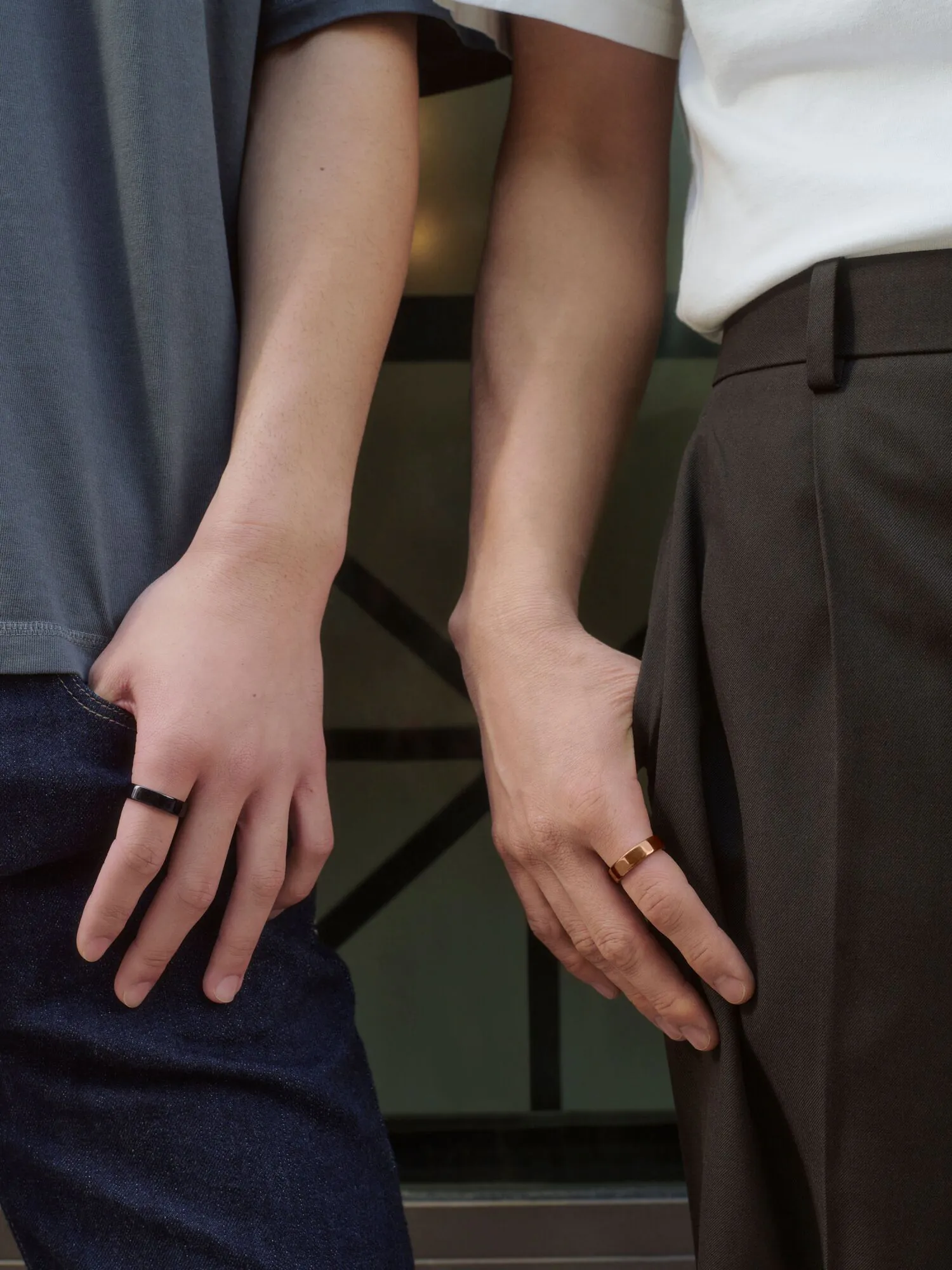
The Ring 5 looks less like a piece of technology than most smart rings. It’s still wider than a fine wedding band, but the narrower body makes it sit more naturally beside other jewellery. Several reviewers said the difference became especially obvious when sleeping or making a fist.
Oura has also changed the inner sensor arrangement. The low-profile domes are slightly taller than those in Ring 4, but they take up less space across the finger and are shaped to maintain contact. Oura attributes improved signal consistency to this design. Independent reviewers were more cautious about dramatic gains in the data itself, but broadly agreed that the ring was easier to wear.
That distinction matters. We wouldn’t buy Ring 5 on the promise that every heart-rate or sleep-stage estimate is suddenly transformed. We’d buy it because a smaller ring is less likely to be removed halfway through the night or left beside the sink after washing up.
The finish should cope better with everyday marks too. Oura now applies a tougher PVD coating to every colour. Early hands-on reports were encouraging, although at least one reviewer still saw light marking after a few weeks. Scratch-resistant doesn’t mean scratch-proof, and a ring worn around metal weights, tools or stone worktops will eventually show some life.
Sleep and recovery remain Oura’s strongest work
Sleep is still the clearest reason to choose Oura. The ring records overnight signals without a screen glowing beside the bed, then explains the night through a Sleep score and its contributing factors. Bedtime, sleep timing, resting heart rate, heart-rate variability, temperature changes and movement are presented together rather than scattered across unrelated charts.
The app is good at turning those readings into a useful conversation. A lower Readiness score is accompanied by the reasons behind it, such as disrupted sleep, a raised resting heart rate or accumulated strain. Over time, the patterns are more valuable than any single morning number. You may notice that late meals, alcohol, illness, travel or hard exercise repeatedly change the same signals.
Independent reviewers continued to praise this presentation. That doesn’t make the ring a medical device or every sleep-stage estimate exact. It’s a consumer wellness product, and its strongest information is usually the direction of a trend rather than a diagnosis.
Daily scores can also become a little bossy if you let them. A rough night doesn’t need a gadget to turn it into a personal failure. People who become anxious about sleep or health data may find Oura more helpful when they check longer-term trends instead of opening every morning score as though it were an exam result.
The app remains a big part of the appeal
Because the ring has no screen, the Oura app is where the product earns much of its value. It keeps the daily view simple, then lets interested users move into deeper charts and longer trends. The independent reviews we examined repeatedly praised its clarity, although one tester found that some detailed charts could be difficult to find again after leaving them.
Oura launched Ring 5 alongside a new group of software features, but buyers need to separate the ring from the announcement. Live Activity Tracking, improved automatic activity detection and lab-result uploads are available more widely on supported Oura generations. Health Radar, AI-enabled medical guidance with Counsel Health and GLP-1 insights hadn’t launched in the UK when we checked.
That regional gap doesn’t make Ring 5 poor value, because its established sleep, recovery and stress tools remain the main reason to own it. It does mean UK buyers should ignore any review or advert that casually folds every US launch feature into the current product.
Activity tracking: better, but still not a sports watch
Oura says the redesigned sensors improve workout-heart-rate accuracy, and independent reviewers generally found everyday activity tracking dependable. Automatic detection covers more than 40 activities, while supported outdoor sessions can show live pace and distance in the phone app using the phone’s GPS.
The phone is doing important work in that sentence. Ring 5 has no display and doesn’t give you a watch-like view of pace, heart rate or intervals on your finger. It’s useful for folding exercise into the wider picture of sleep and recovery, but athletes who want live coaching should still pair it with a sports watch or chest strap.
There’s also a basic physical issue. Rings aren’t ideal for heavy barbell work, climbing or any exercise where a hard band affects grip. Removing it for those sessions protects the finish and your hand. Oura can import activity data from other services, so a gap during a weights session need not ruin the wider picture.
Battery life and the optional charging case
Oura quotes six to nine days of battery life. Hands-on results varied with size and use, generally landing around a week and occasionally stretching closer to nine days. That’s enough to make charging an occasional task rather than a nightly routine.
A full charge takes about 80 minutes. The standard charger is included, while Oura sells a separate portable charging case capable of holding several additional charges. It’s a useful travel accessory rather than something most owners need on day one.
Ring 5 stores up to three days of data without syncing, down from seven days on Ring 4. Most people who keep Bluetooth active and open the app regularly will never notice. Travellers who deliberately leave their phone disconnected for longer stretches might.
The ring is water resistant to 100 metres and is suitable for swimming, showers and sauna use under Oura’s guidance. It isn’t intended for diving.
The membership question hasn’t gone away
Oura Ring 5 starts at £399 in the UK, with selected finishes costing more. New members receive one month of membership, after which it currently costs £5.99 per month or £69.99 per year.
Without an active membership, the app is largely limited to the three headline scores, battery information and basic settings. Most of the detailed trends and explanations disappear. In other words, the membership isn’t a small optional extra for keen users; it’s part of the product’s real cost.
That’s Oura’s most persistent weakness. The app is polished and regularly updated, but buyers are entitled to question paying repeatedly to interpret data collected by hardware they already bought. Samsung’s Galaxy Ring remains an obvious alternative for compatible Android users who dislike subscriptions, although its ecosystem and health presentation are different.
Should Ring 4 owners upgrade?
Probably not, unless comfort has been a problem. Ring 5 is smaller, lighter and more discreet, and those changes are worthwhile. The central Oura app experience and many new software features also run on Ring 4, however, and independent reviewers didn’t consistently find a dramatic difference in everyday readings.
If your Ring 4 fits well, holds a healthy charge and stays on your finger through the night, there’s no urgent reason to replace it. If it feels bulky, spins, catches beside another ring or regularly ends up on the bedside table, Ring 5 addresses the part of the experience that has been bothering you.
New buyers have an easier decision. A heavily discounted Ring 4 may still be good value in the correct size, but Ring 5 is the better-designed product and the one we’d normally choose when prices are close.
What to know before buying
Use the correct sizing kit
Ring 5 uses a different sizing kit from Ring 4, and its sizes run only from 6 to 13. Wear a sample through a normal day and night. Fingers swell with heat, exercise and sleep, so a five-minute fitting tells you very little.
Check UK feature availability
Don’t assume every newly announced Oura feature is available in Britain. Confirm current regional availability in Oura’s support material before buying for one particular health tool.
Treat the scores as guidance
Ring 5 can reveal useful patterns, but it can’t diagnose illness or replace medical advice. A worrying symptom deserves a clinician, not another refresh of the Readiness screen.
Remember the annual cost
Compare at least two or three years of membership with subscription-free alternatives. The price on the ring is only the beginning of the ownership cost.
Who should buy Oura Ring 5?
It suits you if…
- Sleep and recovery matter more than notifications or live workout screens.
- You want a small, discreet wearable that is comfortable overnight.
- You value clear explanations and long-term health trends.
- You use iPhone or Android and don’t mind checking a companion app.
- You accept membership as part of the ownership cost.
Look elsewhere if…
- You want live exercise data without carrying a phone.
- You strongly object to subscriptions on purchased hardware.
- Your finger falls outside sizes 6 to 13.
- You wear a ring during heavy lifting or grip-intensive sport.
- Daily health scores tend to make you anxious.
AIWearHQ verdict
Oura Ring 5 is a very good smart ring because it improves the least glamorous part of the job: being worn. It’s smaller, lighter and easier to ignore, while Oura’s app remains excellent at explaining sleep, recovery and longer-term health patterns.
There are still compromises. The membership materially raises the cost, several headline software features hadn’t reached the UK when checked, and serious exercise tracking remains better handled by a watch. Ring 4 owners who are already comfortable don’t need to feel left behind.
Recommended: for a first-time buyer who wants discreet sleep and recovery tracking, Oura Ring 5 is one of the strongest choices available. Its improvements are modest on a specification sheet, but more persuasive on the finger.
Buying options
AIWearHQ Recommended Retailers
Use the Oura Ring 5 sizing kit before choosing a finish. These exact UK destinations were checked on 1 August 2026; prices, sizes and delivery options can change.
Oura official store
The full Ring 5 range, official sizing process and direct Oura support. Confirm UK pricing and the selected finish before checkout.
John Lewis
Verified UK listing for Oura Ring 5 with size selection, delivery information and a two-year guarantee shown on the product page.
AIWearHQ may earn a commission from qualifying purchases when affiliate tracking is added. This doesn’t affect our editorial view. Always confirm the exact generation, size, finish, membership terms and returns policy before ordering.
Oura Ring 5 questions
Does Oura Ring 5 need a membership?
The ring works without one, but the experience is heavily reduced. An active membership unlocks the detailed data, trends and explanations that provide most of Oura’s value. New members currently receive the first month before the paid plan begins.
How long does the Oura Ring 5 battery last?
Oura quotes a typical range of six to nine days. Actual endurance varies with ring size, settings, battery age and use. Independent reviewers generally achieved around a week, with some results closer to nine days.
Is Oura Ring 5 worth upgrading to from Ring 4?
Not for most satisfied Ring 4 owners. The smaller design is worthwhile if Ring 4 feels bulky or is frequently removed, but much of the app experience is shared. A well-fitting Ring 4 with a healthy battery remains useful.
Can you swim with Oura Ring 5?
Yes. Oura rates it to 100 metres and supports swimming and normal water exposure. It isn’t intended for diving.
Which finger should you wear Oura Ring 5 on?
Oura recommends the index, middle or ring finger. Sensor contact and comfort matter more than appearance, so use the Ring 5 sizing kit and test the sample through a full day and night.