AI Glasses | Samsung
Samsung’s AI glasses clear FCC approval, but there’s still no UK date
Two Samsung smart-glasses models have received US equipment authorisation. It’s another step towards release for the Gemini-powered eyewear, with Galaxy integration still looking like its strongest selling point.
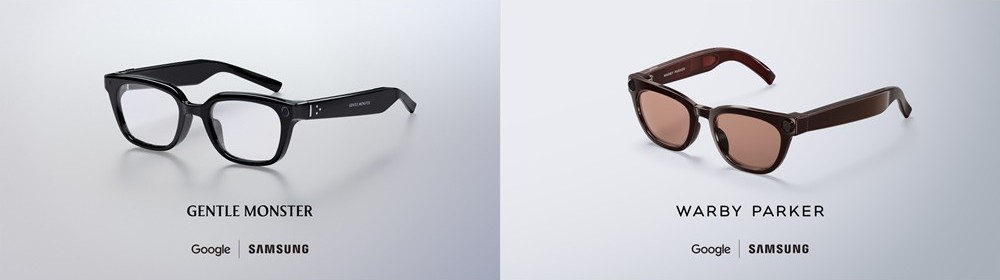
Samsung’s first AI glasses have cleared another stage on their way to sale, with two models receiving US equipment authorisation on 27 September.
The filings identify Samsung Electronics as the applicant and describe both products as smart glasses. For anyone who’s been following the Gentle Monster and Warby Parker designs since their unveiling earlier this year, it’s encouraging evidence that preparations are moving along.
British buyers still have a wait for the details that would help them decide whether to buy. We haven’t found a confirmed UK release date or price in Samsung’s announcements as of 2 October.
What the FCC approval actually tells us
The US Federal Communications Commission regulates wireless equipment. The grants reproduced by FCCID.io cover Samsung’s SM-O200P and SM-O200J, with Bluetooth and Wi-Fi operation across the 2.4GHz, 5GHz and 6GHz bands.
Both sets of grants are dated 27 September 2026. They concern compliance with US radio rules, and the good news is that the glasses are now approved there. We’d hope to hear more about UK plans soon, although there’s no confirmed date here yet. It’s not a release date, but it’s an encouraging sign that the glasses are on their way.
Samsung has already shown the Gentle Monster and Warby Parker designs, although it hasn’t yet linked those names to the two model codes.
Gemini, a camera and two different takes on the frame
Samsung first showed the glasses with Google at I/O in May, then introduced them at Galaxy Unpacked in London in July. Google says the first products are audio glasses, with display glasses to follow. Directions and AI responses on these first models are spoken rather than shown in the lenses.
Google’s advertised features include asking Gemini about something in front of you, hearing turn-by-turn directions, handling calls and messages, listening to music, taking photos and videos, and translating speech or written text. It also describes support for phone apps and multi-step tasks, with the glasses pairing to Android and iOS phones.
Support for Android and iPhone is welcome, though we’d expect Samsung to reserve some features for its own Galaxy phones and wearables. If these glasses deliver the premium experience we’re hoping for, those extras could reward existing Samsung owners and give others a reason to buy further into its range. We’ll be interested to see how the experience differs between someone using a Samsung Galaxy and, say, an iPhone owner.
Samsung’s July announcement names Snapdragon AR1 Gen 1 as the platform and claims up to nine hours on a charge, with up to seven further full charges from the case. Those are manufacturer figures, and frequent camera use, AI requests and streaming are the sort of things we’d want to put through a full day’s testing.
There’s a slim black Gentle Monster frame and a brown Warby Parker design with a slightly upswept brow. Having two established eyewear partners gives Samsung a chance to reach people with different tastes. Whatever the technology can do, the glasses still need to suit the person wearing them.

Galaxy owners may have the best reason to wait
Samsung’s strongest pitch could be how easily these glasses work with the devices people already own.
The company describes captured information being organised in Samsung Notes, while its July engineering interview explains recording previews in Now Bar, access through Galaxy Gallery and audio switching to Galaxy Buds. Galaxy Watch controls are also planned, with gesture input specifically requiring Watch9.
If you already use a Galaxy phone and watch, those connections could be more persuasive than a small difference in camera resolution. A photo that’s easy to find, a note saved where you expect it and audio that moves between devices without a fuss would all help the glasses earn their place in a daily routine.
Samsung also describes slim hinges, balanced weight and graphite to manage heat, alongside tests involving sweat, humidity, cosmetics and repeated folding. We’re looking forward to wearing them and seeing how they compare with the current market leaders.
The recording safeguards are already part of the design
Samsung says an outward-facing light shows when recording is active, with a separate indicator for the wearer. Recording stops if the glasses are removed or the external light is covered. We’ve looked more closely at Samsung’s recording-light safeguards in our earlier coverage.
Those are sensible precautions for a product people will wear around friends, colleagues and strangers. They won’t settle every privacy concern, but clear information about when a camera is working helps both the wearer and the people nearby.
Meta hasn’t been standing still
When we first covered Samsung’s glasses, much of the comparison centred on Ray-Ban Meta Gen 2. Since then, Meta has introduced Gen 3 with more frame choices and advertised improvements to battery life and microphones, alongside its new Ray-Ban Meta Audio range. Meta Ray-Ban Display also gives buyers another type of glasses to consider.
Samsung will arrive in a market where people have more choice about what they want to wear and which features they’re willing to pay for. Its close relationship with Google and the Galaxy range could give it a strong position, although we’ll need the finished product and a price before we can make a fair buying comparison.
We still need Samsung to confirm the UK offer
Samsung’s published timetable remains autumn 2026 in selected markets. Holding the July unveiling in London and publishing detailed information through its UK newsroom doesn’t confirm that Britain will be in the first wave.
We’re still waiting for a UK date, sterling pricing, retailers, prescription arrangements and a complete list of features supported here. The final camera specification, weight and water-resistance rating would help buyers compare the hardware, too.
Samsung already warns that translation and navigation can vary by region, language, app and service. Notes integration and other connected features can require compatible Samsung devices or services. Those details deserve attention before anyone buys these glasses for a particular job.
Our view: worth watching, especially if you use Galaxy
The approvals are welcome progress for a product that has plenty of potential. Samsung and Google have the hardware, software and existing customers to make this a serious challenge to Meta, particularly if the glasses fit comfortably into life with a Galaxy phone.
If you’re happy with your current glasses, there’s good reason to wait for Samsung’s full announcement before considering your next pair. If you need something now, the filings don’t give you a UK delivery date to plan around. We’re keen to see what Samsung delivers, but we won’t recommend an upgrade on the strength of paperwork alone.
AIWearHQ hasn’t tested Samsung’s intelligent eyewear. This update draws on Samsung and Google announcements and FCC equipment grants reproduced by FCCID.io, checked on 2 October 2026.