AI glasses · Accessibility · News
RSBC lends Ray-Ban Meta glasses to young people with sight loss
A free month with the glasses gives blind and partially sighted young people time to try spoken descriptions and other accessibility features at home and out and about.
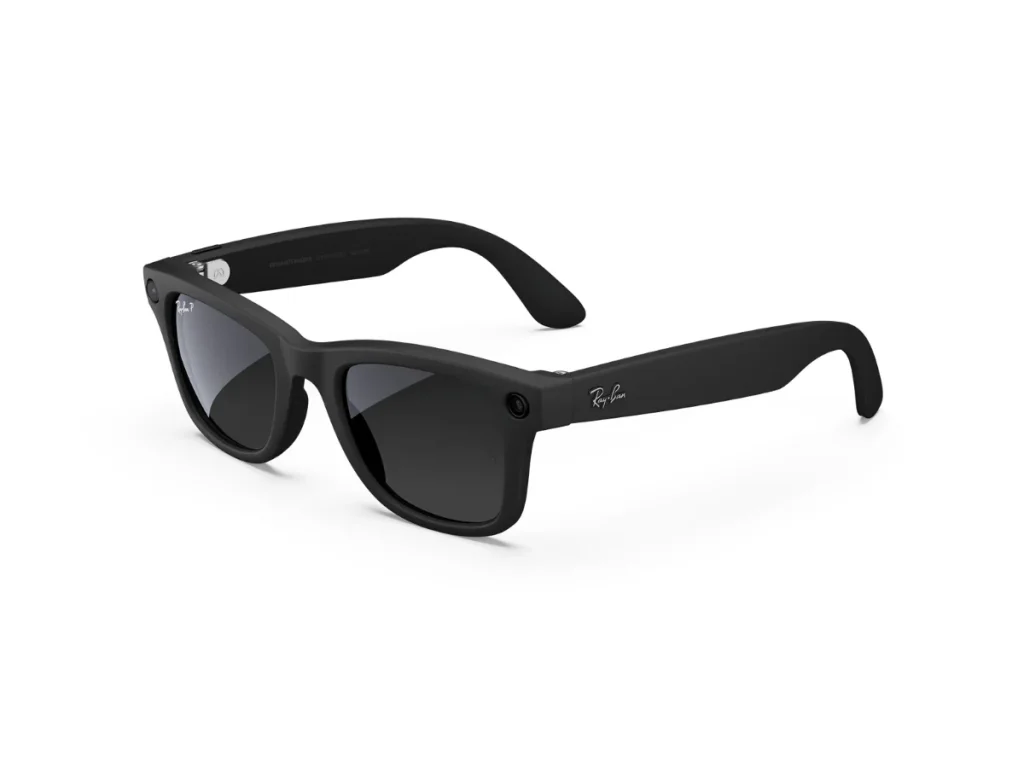
The Royal Society for Blind Children is lending Ray-Ban Meta glasses to blind and partially sighted young people aged 13 and over. The free loan lasts a calendar month and the charity’s specialists can offer one-to-one help getting used to the glasses.
The scheme was reported by the Wales Council of the Blind in June and RSBC is still inviting people who use its services to register their interest. That gives people a chance to try the glasses on days when they’d actually reach for them, such as when a letter arrives at home or they come across an unfamiliar sign.
How to borrow a pair
Start with the form on RSBC’s trial page. The charity asks borrowers to sign a loan agreement, and the month starts when they submit it. You can ask for longer in advance. RSBC asks borrowers to use their own Meta account where possible so the right age settings apply. If they don’t have one, the charity says it can set the glasses up with a restricted account, which may limit access to some apps.
It’s worth asking the team about the features you want to try. One of them, Be My Eyes, connects wearers to sighted volunteers, but the service has its own age limit. The glasses can be borrowed from 13 and Be My Eyes requires users to be at least 18.
What the glasses can help with
In our earlier piece on accessibility, we looked at how people use these glasses to read menus and notices, describe a room or pick out a product on a shelf. A wearer can ask Meta AI to look at something and hear the answer through speakers in the arms. The camera’s already facing roughly where they’re looking, so they can keep their hands free to hold a packet or carry on with what they were doing.
An adult wearer who’d rather speak to a person can link a Be My Eyes account in the UK. A volunteer sees the view from the glasses and can ask the wearer to turn towards an object or move closer. The service now also lets people call a private group of trusted contacts from supported glasses. For a borrower who can already use WhatsApp, RSBC suggests calling a friend or relative and sharing the view from the glasses. Be My Eyes on Meta glasses · Group calling.
An AI answer can miss an object or misread a sign. Try asking about a few things you know well first, ideally with someone there to check what the glasses tell you. Keep using your usual mobility aids when you’re out.
We also looked at how voice controls help people with limited hand movement take photos or make calls. There’s some progress for people with hearing loss too. Ray-Ban’s UK guide now explains how to show live speech captions on Meta Ray-Ban Display. That feature uses the screen in those glasses. Ray-Ban’s UK Display guide.
More places to try the technology
At Milan’s Pinacoteca di Brera, an October pilot linked the glasses to an existing audio tour. Visitors can use the camera to recognise eight selected works and hear descriptions written for the tour. Later that month, Canada’s CNIB announced plans for blind, Deafblind and low-vision people to lead local training and feed back to Meta’s product teams. The partnership will also put glasses into the hands of people looking for work. Milan pilot · CNIB programme.
Meta also plans to bring Muse, its personal AI assistant, to the glasses. Being able to check what’s next in your calendar or pick up a task you started earlier could make the voice controls useful for more than the request in front of you. Meta’s October announcement put Muse on phones and the web in Singapore, with the glasses to follow. We’re still waiting for a date for UK wearers. Meta’s rollout announcement.
Our view
It’s fantastic to see a charity putting these glasses in the hands of young people who could get so much from them. Being able to read the menu for yourself or check a notice at college without finding someone to ask can make a huge difference. For some people, that bit of independence really can be life-changing. We’re glad RSBC is giving families time to see what works for them, with someone to call if they need help.