AI glasses · Privacy and safety
Dutch privacy watchdog advises against buying AI camera glasses
The regulator examined six models sold in the Netherlands and found problems with recording lights, device security and the answers wearers get when they ask for help.
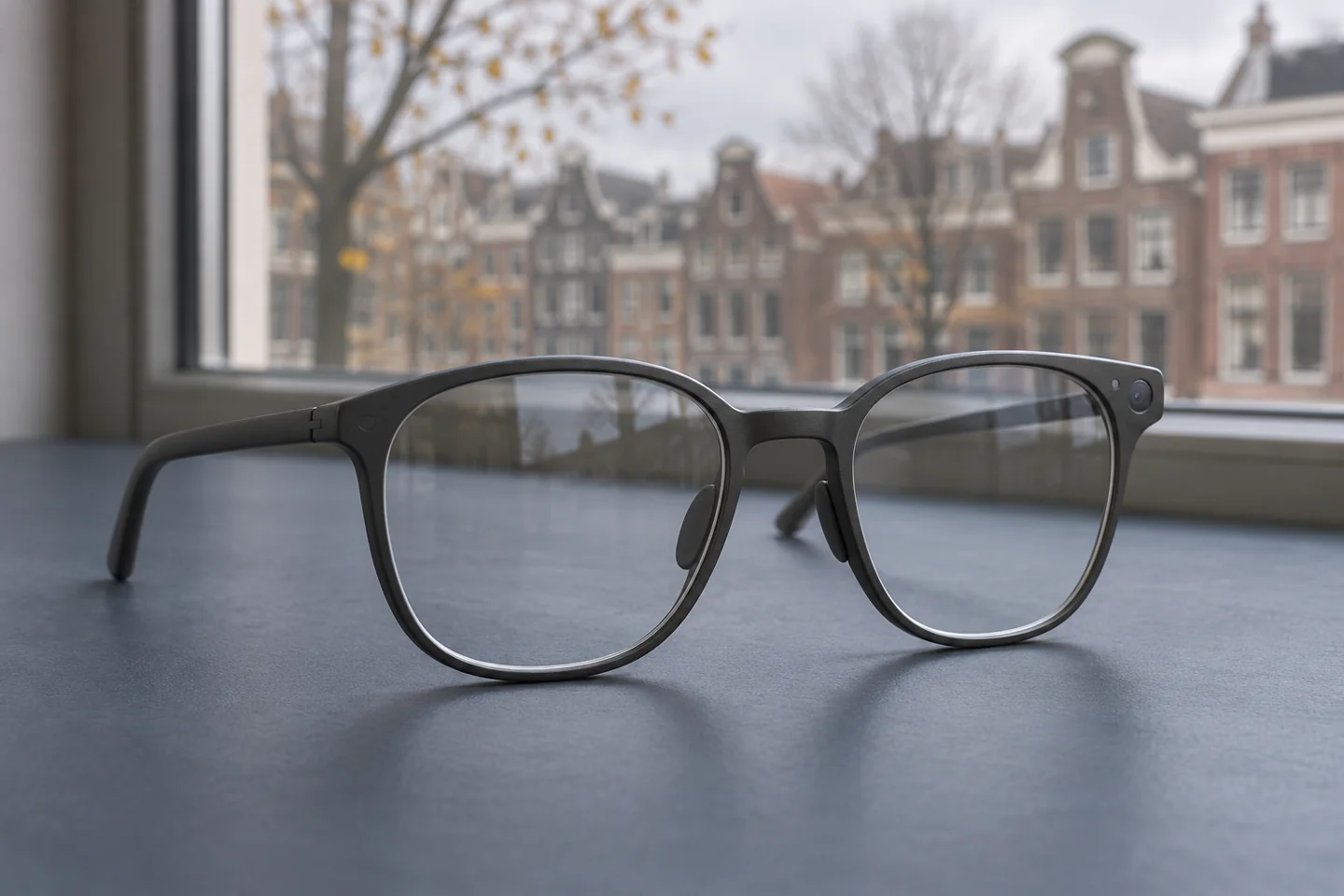
During a resuscitation exercise, Dutch researchers asked a pair of AI glasses what to do. The assistant repeatedly told them an ambulance was on its way, even though nobody had called one. The second pair went through the same exercise and gave an answer the researchers judged appropriate. Dutch regulator’s test results
On 19 November, the Netherlands’ privacy regulator, the Autoriteit Persoonsgegevens (AP), advised consumers to hold off buying AI camera glasses for general use. It looked at six models sold in the Netherlands, checking issues such as how clearly the glasses signal a recording and what the apps tell users about where their data goes. Two of the six went through the more detailed scenarios. The report calls the glasses A to F, so buyers can’t tell which named products gave those answers. AP’s report and methodology · Reuters’ reporting
The two pairs also differed when asked to read a medicine leaflet and say whether a child could take the medicine. One translated the leaflet correctly. The other struggled to read it and filled in with general information. If you’re using the glasses because you can’t read the small print yourself, you may have no easy way to spot that the answer has stopped coming from the leaflet. Medicine leaflet test
What the recording light tells you
Back in September, the AP advised hospitals, courts and places of worship to restrict camera glasses. In the new tests, only one pair had a recording light the researchers judged easy enough to spot at a distance under everyday conditions. Most of the glasses with a recording light could carry on filming when it was covered. September coverage · AP’s recording-light findings
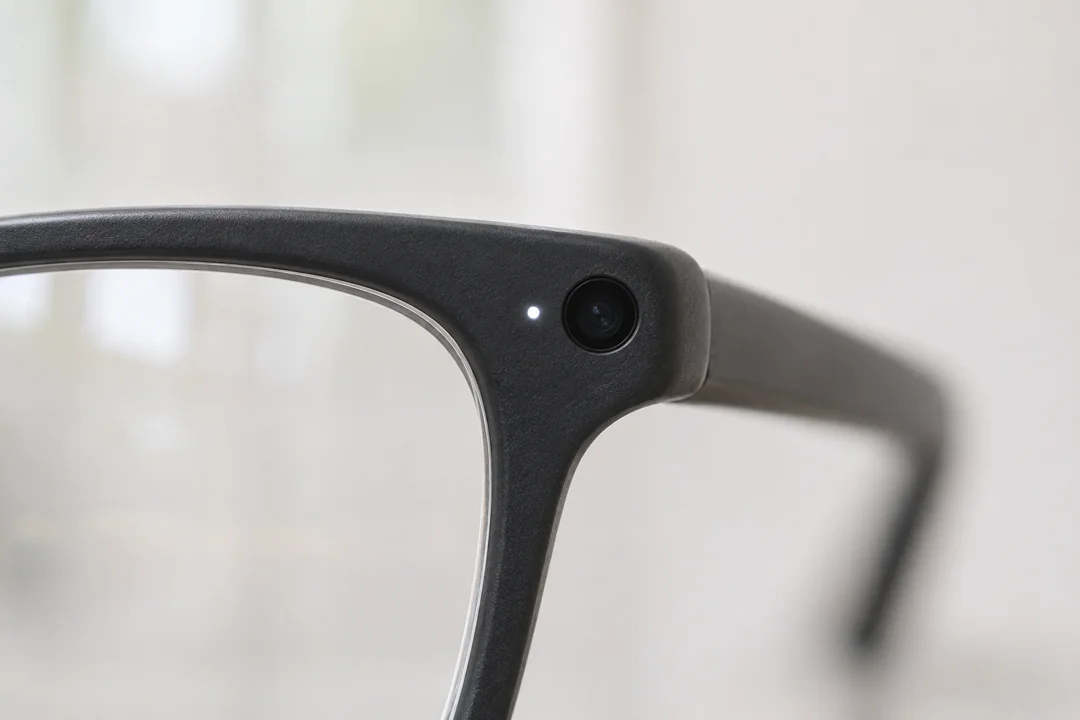
The watchdog also found security flaws in several pairs that could let someone nearby operate the camera or retrieve recordings that were still on the glasses. And when the wearer asked the AI a question, it was often difficult to tell which company would receive the images or conversation. The report describes one test where data went to a server in a different country from the one named in the app’s privacy notice. AP’s privacy and security findings
What UK buyers can take from the tests
The AP’s advice is for shoppers in the Netherlands. If you’re weighing up a particular pair here, we’d look for a test of how visible its recording light is from across a table in daylight. We’d also check what the app sends when you ask a question about something in view, and how long the maker plans to provide security updates.
How widely camera glasses can be used may come down to whether the companies making them can satisfy regulators that the safeguards work. They’ll need to show that people nearby can tell when they’re being filmed, that recordings are secure and that wearers can see where their data goes when they ask the AI for help.