AI Glasses | Privacy & policy
UK Parliament reviews smart-glasses rules over security, privacy and accessibility
Parliament is reviewing its smart-glasses rules, including what they mean for people who use the technology for assistance. Existing restrictions on recording remain in place.
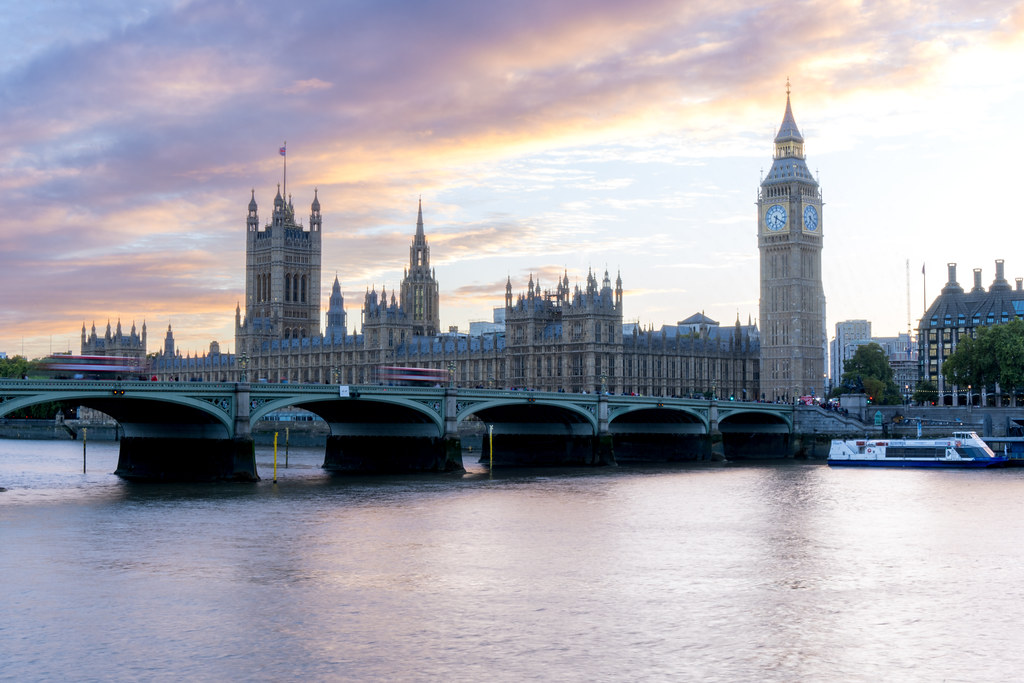
UK Parliament is taking another look at the rules for smart glasses inside its buildings, including how they should apply to people who use the technology for assistance.
A House of Lords written answer on 15 September confirmed that a review is under way. It covers glasses with cameras, microphones and AI features.
For now, recording still requires appropriate authorisation. The answer doesn’t announce a ban, or give people permission to use their glasses wherever they like. Parliament is deciding whether it needs further guidance.
Recording is already restricted
The answer followed a question from Lord Nagaraju about security, privacy and confidentiality. He specifically asked about the Chamber, division lobbies, committee rooms and other sensitive areas. The Lords says new filming and photography guidance was sent to members in September and already covers smart glasses.
The review will involve staff responsible for filming rules, physical and information security, and data protection. Accessibility and reasonable adjustments are also part of the brief, along with Parliament’s day-to-day operational needs. Member governance bodies in both Houses will be consulted where appropriate.
Visitors already have to be careful about where they take photographs. Parliament’s visitor guidance allows personal, non-commercial photography in designated areas such as Westminster Hall and St Stephen’s Hall. Restrictions apply elsewhere on the visitor route and in public galleries, and the rules also cover sound recording and other recording devices.
Taking out the camera only goes so far
A pair of glasses can look unremarkable while being quite capable of capturing a confidential conversation. For a workplace deciding what to allow, checking for a camera lens only answers part of the question.
We’ve been following the growing interest in camera-free smart glasses. There’s an understandable appeal for anyone who wants smart features without making the people around them worry about being filmed. But if the glasses have microphones, an employer may still want to know what happens to the audio and whether it’s sent to an outside service.
Some people depend on that camera
Meta describes people using its glasses to read documents, understand their surroundings and make calls by voice. With Be My Eyes, a volunteer can see through the glasses’ camera and talk the wearer through whatever they need help with.
Our feature on smart-glasses accessibility looks at how useful this can be for blind and low-vision users. It also explains the limitations: the technology won’t suit everybody, and AI descriptions can be wrong.
It’s encouraging to see reasonable adjustments included in Parliament’s review. We don’t yet know what those arrangements might look like, and the written answer doesn’t promise an exemption for assistive use.
What about the rest of the UK?
The review is about Parliament’s own estate. In a separate government answer published on 14 September, the government said there were no current plans to ban the sale or use of camera-equipped smart glasses. They will continue to monitor the issue.
Organisations using them to process personal data still have to follow UK data protection law, as that answer makes clear. And being able to buy a pair doesn’t mean you can record freely inside somebody else’s workplace.
AIWearHQ analysis
What this could mean
Much will depend on how specific Parliament gets. Being allowed to wear smart glasses into a building doesn’t tell you whether you can use them to read a document, record a meeting or ask an AI assistant about something on a screen. Clear guidance would help people understand those boundaries before they accidentally cross one.
There’s a harder question for anyone who relies on their glasses for assistance. Asking a blind person to switch off the camera could take away their ability to read a notice or get help from a volunteer. Parliament has included accessibility in its review; we’ll be interested to see how that translates into arrangements people can actually use.
As we argued in our earlier piece on smart-glasses bans, there are good reasons to restrict recording in sensitive places. But the person wearing the glasses may have an equally good reason for needing them. Any policy will have to deal with both.