Review
Even Realities G1 Review: Smart Glasses That Take a Quieter Approach
The G1 takes a different route from camera-first smart glasses, using a discreet heads-up display for notifications, notes, translation, navigation and AI prompts.
How this review was put together: AIWearHQ hasn’t yet completed a full hands-on test of the Even Realities G1. This review is based on Even Realities’ own product information and support documents, alongside independent professional reviews and feedback from owners. Manufacturer claims and user experiences have been treated separately throughout.
There’s an old joke that the easiest way to spot someone testing new technology is to look for the person making everyone else stare. Smart glasses haven’t always helped themselves in that respect. Some lean heavily into the futuristic look, while others seem determined to advertise every sensor and camera built into the frame.
The Even Realities G1 takes a very different approach. At a glance, they could pass for a normal pair of glasses. That ordinary appearance shapes the rest of the product, from the lack of cameras and speakers to the way information appears briefly in front of the wearer rather than competing constantly for attention.
That will sound restrained to some buyers and rather appealing to others. Either way, the G1 glasses have a clearer identity than many smart glasses currently on the market.
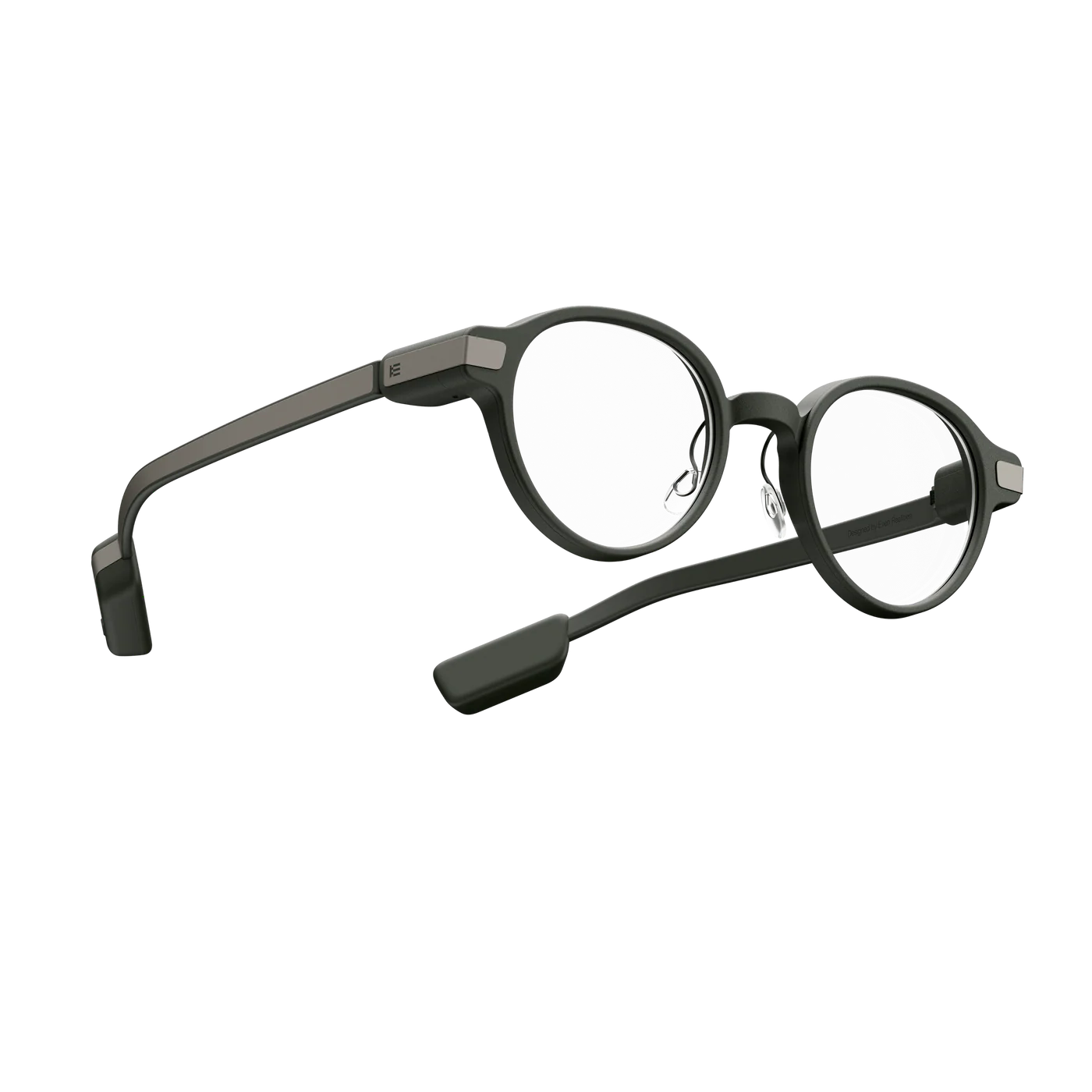
What are the Even Realities G1?
The G1 are AI-powered smart glasses built around a small heads-up display rather than cameras or built-in audio. They can show notifications, navigation prompts, live translations, notes, teleprompter text and information from the Even AI assistant.
This places them in a different part of the market from products such as the Ray-Ban Meta glasses. The G1 aren’t designed for taking photos, recording video, listening to music or making calls. Their purpose is to put useful information in view without asking you to reach for your phone every few minutes.
It’s easy to describe that as a limited approach, but that rather misses the point. Even Realities isn’t trying to squeeze every possible smart feature into one pair of frames. Even Realities is betting that some people would prefer their glasses to do fewer things, provided those things fit naturally into everyday life.
Design and comfort
Design is one of the areas where the G1 appears to have made the strongest impression. Professional reviewers regularly praise how conventional the frames look, while owners often mention that friends and colleagues don’t realise they’re wearing smart glasses until they’re told.
That’s probably more important than it first appears. Wearable technology only becomes genuinely useful when people are happy to keep wearing it after the novelty has worn off. A technically brilliant pair of glasses isn’t much use if the owner feels faintly self-conscious every time they leave the house.

Comfort also comes up frequently in owner discussions. Many describe the G1 as light enough to wear for extended periods without the weight becoming the main thing they notice. We’d still expect fit to vary from person to person, particularly for prescription wearers, but there’s little sign that the frames themselves are broadly regarded as cumbersome.
Even Realities seems to have understood something that the wider smart-glasses market occasionally forgets: people are buying glasses first and technology second. If the frames don’t work as eyewear, the clever features are unlikely to save them.
Everyday experience
Launch reviews are useful for understanding what a product can do, but long-term owner feedback is usually better at revealing whether anyone still bothers using them. The G1 seems to fare reasonably well once the first-week excitement has passed.
The display receives consistent praise because it offers information without filling the wearer’s vision with floating windows. Directions, short notifications and prompts are designed to be glanced at, rather than studied for long periods. That sounds simple, although simplicity may be exactly why the feature works.
It’s tempting to compare smart glasses by counting features. That misses what the G1 glasses are trying to do. Directions, notes and notifications appear without needing to pull out a phone. None is spectacular on its own, but together they can save several small interruptions throughout the day.
Battery life also attracts relatively little criticism. Even Realities says the G1 can last up to 1.5 days on a single charge, depending on use. Manufacturer estimates should always be treated with some caution, but owner feedback doesn’t suggest battery anxiety is one of the product’s defining problems. For something intended to blend into a normal working day, that matters more than chasing an impressive headline figure.
Features
The G1’s feature set is focused rather than sprawling. Their main tools include the heads-up dashboard, notifications, navigation, QuickNote, Teleprompt, real-time translation and Even AI.
Translation is one of the more obvious uses for the display, placing spoken conversation into text in front of the wearer. Navigation works in a similar spirit, showing directions without requiring a phone to remain in hand. Even Realities positions them primarily for walking and cycling rather than driving, which is an important distinction for prospective buyers.
Teleprompt is more specialised, although it may be one of the product’s most convincing features for the right person. Speakers, presenters and people recording video can keep notes in view while maintaining eye contact. It won’t matter to everyone, but unlike some wearable features, its purpose is immediately clear.
The AI assistant is where expectations need to be kept sensible. Independent reviews and owner comments suggest that the hardware often feels further developed than the software running on it. Responses can be slower or less polished than buyers might expect from the phrase “AI glasses”, and translation and navigation experiences appear to vary.
That doesn’t make the AI element pointless, nor does it mean the product is unfinished. It does mean we’d view the assistant as part of an evolving platform rather than the sole reason to buy the G1 glasses today. The reassuring part is that software can improve through updates; the underlying glasses already appear to have got many of the harder physical decisions right.
Things worth knowing before you buy
The most useful question isn’t whether the G1 glasses are impressive. The real question is whether this version of smart glasses matches what you actually want from them.
Anyone hoping to capture photos, record video, play music or make calls without touching a phone should look towards camera-and-audio products instead. The G1 glasses aren’t simply a stripped-down alternative to Ray-Ban Meta. They belong in a different lane entirely.
For buyers who actively dislike the idea of wearing cameras, that absence may become a strength rather than a compromise. It could also make the G1 glasses more comfortable in offices, meetings and other settings where camera-equipped eyewear might attract questions. We’ve become so used to cameras being part of the smart-glasses conversation that it’s easy to forget some people would rather avoid them altogether.
There’s also the question of where the G1 now sits within Even Realities’ own range. The company sells newer G2 models alongside them, so buyers should compare prices, availability and the particular features they care about before deciding. A newer model doesn’t automatically make the G1 a poor purchase, especially if the older version is available at a worthwhile discount, but it does make the comparison worth doing.
Who are they for?
The G1 glasses are most likely to suit people who already wear glasses comfortably and want smart features to remain in the background. They make particular sense for commuters, presenters and professionals who value prompts, notes, notifications, translation and navigation more than cameras or open-ear audio.
They’re less suitable for anyone looking for one wearable that does everything. If your idea of AI glasses includes photos, video, calls, music and social sharing, the G1 will feel deliberately narrow. For someone who wants discreet information without turning their glasses into another entertainment device, that same narrowness may be exactly the appeal.
Verdict
The Even Realities G1 glasses feel focused. They offer a thoughtful alternative to camera-first smart glasses, with a design that appears comfortable, discreet and easy to wear without attracting unnecessary attention.
The software still has room to develop, and buyers should compare the G1 carefully with the newer G2 range before spending. Even so, the research doesn’t suggest those points overwhelm the product’s central strengths. The display is well regarded, the frames look convincingly ordinary and the overall experience appears to fit into daily life more naturally than many wearable devices manage.
The G1 deserves serious consideration if you want notifications and directions in view but aren’t interested in cameras or music. They won’t be the right choice for everyone, but Even Realities is unusually clear about who they’re for.
AIWearHQ Recommended Retailers
If you’ve decided that the Even Realities G1 glasses suit the way you intend to use smart glasses, this is the retailer we can currently verify for UK buyers.
Official Even Realities Store
Buy directly from Even Realities for current model availability, configuration options and manufacturer support.
We haven’t included Amazon UK, John Lewis or Currys because current G1 stock couldn’t be verified from those retailers during this update.