AI GLASSES · RESEARCH-LED REVIEW
Ray-Ban Meta Gen 3 review: should you upgrade from Gen 2?
New frames, revised microphones and a longer battery claim improve an already appealing idea. We look at what UK buyers gain, and where Gen 2 still make sense.
This review assesses the published specifications and UK buying information. AIWearHQ has not yet tested this model, so there is no hands-on score. How we review.
Specifications and UK details
- Camera
- 12MP; up to 3K video
- Audio
- Two open-ear speakers; six microphones
- Battery claim
- Up to 9 hours mixed use; case adds up to 50 hours
- Frame choices
- Wayfarer, Zena and Aviator
- Phone
- Compatible iPhone or Android; Meta AI app, Meta account and internet for connected AI
- Prescription
- Selected configurations; checked matte-black/grey colourway currently excluded
- Ongoing costs
- No compulsory hardware subscription identified; data and optional services extra
- UK buying
- £409 selected Wayfarer listing; confirm final configuration and delivery
Reasons to consider
- Camera, music and spoken AI in familiar frame styles
- Aviator and Zena broaden the choice
- Adjustable temple tips and improved battery claim
- Dynamic-photo and microphone changes have practical potential
Before you choose
- No in-lens display or live viewfinder
- Same headline camera resolution as Gen 2
- New software announcements need model and UK rollout checks
- Prescription eligibility and price vary by configuration
Ray-Ban Meta Gen 3 look like the easiest place to start if you want a camera, music and an AI assistant in glasses you would happily wear anyway. The familiar Wayfarer now has company from Zena and Aviator, and that wider choice could be more persuasive than another line on the specification sheet.
We already know from our month with Gen 2 how much the everyday convenience can count. Gen 3 build on that combination with a longer advertised battery life, revised microphones and more adjustable frames. For someone buying their first pair, there’s plenty to like. For a happy Gen 2 owner, the case for spending again is less settled.
Wayfarer, Zena or Aviator?
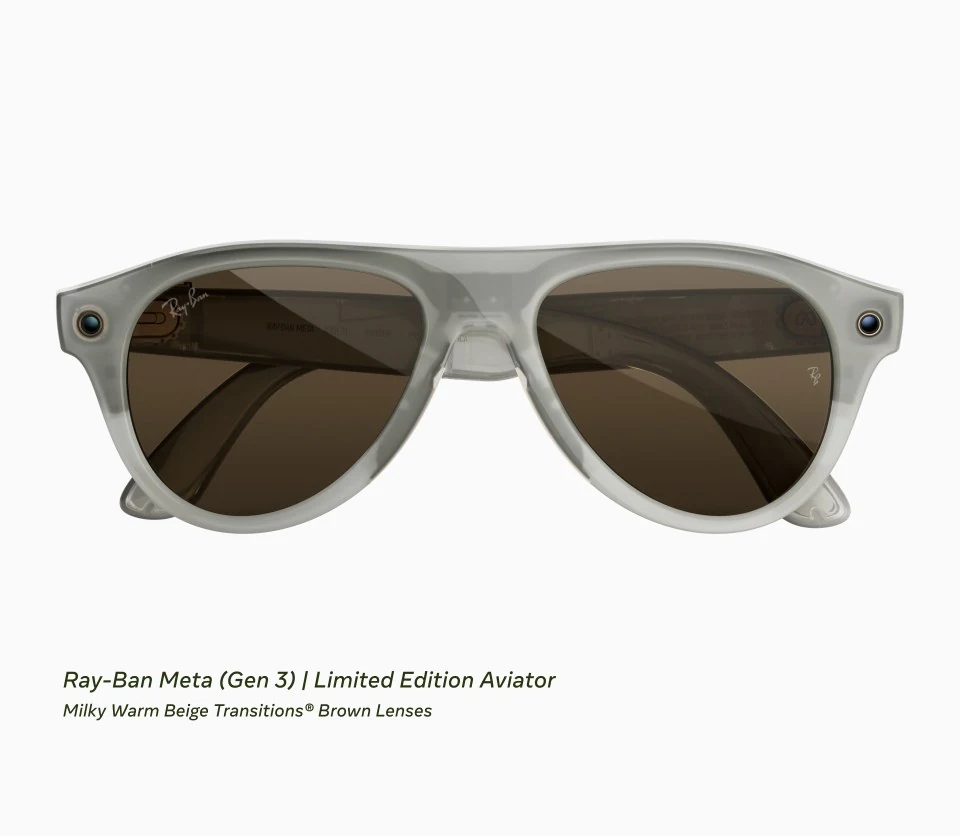
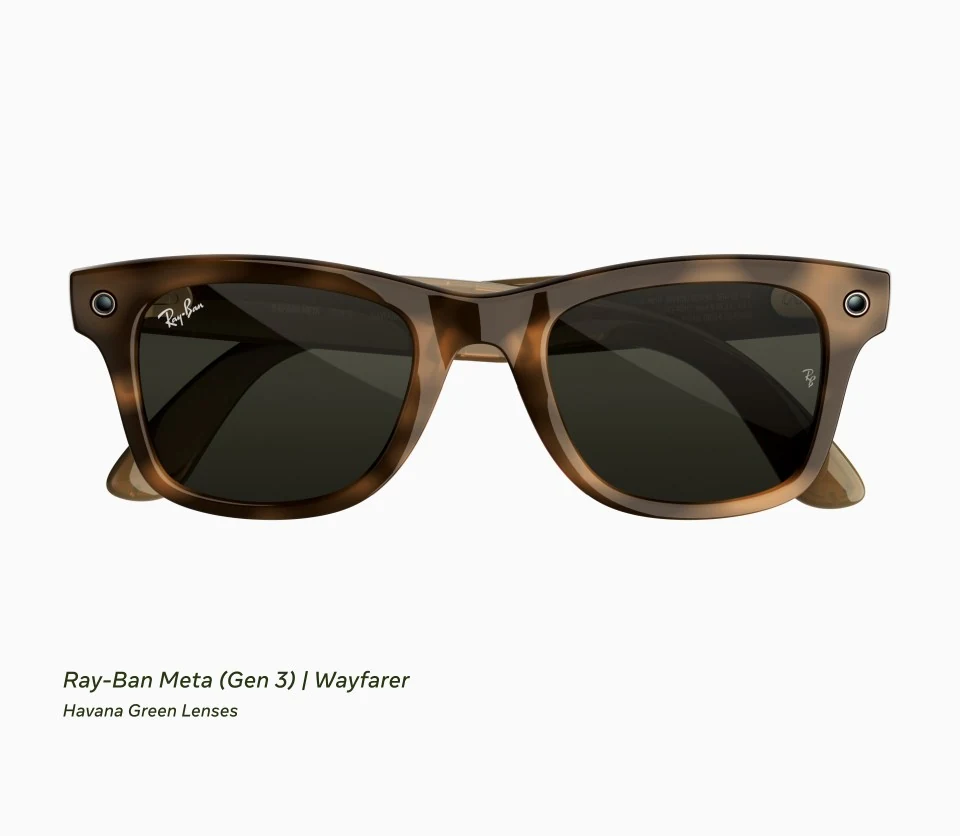
The Aviator is the addition we’re most interested in. A recognisable shape gives people who never quite took to Wayfarer another reason to consider smart glasses. Zena brings a cat-eye option, while Wayfarer remains the straightforward choice for anyone who wants that established Ray-Ban look.
According to Meta’s announcement, the frames are slimmer and have adjustable temple tips. Those changes deserve attention: the fit behind your ears can decide whether a pair stay on for an afternoon or end up in their case. We’d spend time trying the different shapes before getting attached to a particular colour.
Prescription options also make the finished price more personal than a headline figure suggests. Choose the frame first, then get a complete lens quote. Our UK prescription guide covers the questions to take to an optician. Clear, sun and changing-tint lenses suit different routines; a pair bought mainly for music indoors need a different lens choice from holiday sunglasses.
The camera upgrade is about getting the shot
The headline specifications remain a 12MP camera and up to 3K video. Owners expecting a dramatic resolution jump from Gen 2 won’t find it here. The attraction is still being able to capture something from your own viewpoint while keeping your hands free.
Meta also describes dynamic photos, which let you choose the best frame. That sounds promising because aiming a camera mounted on your face is a learned skill. A better chance of keeping the moment you wanted could be more useful than a larger file. It is one of the improvements we’re keen to try when we can review Gen 3 in person.
There’s no screen in the lenses, so Gen 3 don’t give you the live viewfinder found in Meta Ray-Ban Display. Your phone remains the place to inspect and share the results. Anyone buying mainly to make carefully framed videos should weigh that difference before choosing.
Dolby Atmos video with spatial sound was promised for later in 2026. It should stay on the future-features list until the release and supported models are clear. It isn’t a reason on its own to replace working glasses today.
Calls and music could be the features you use most
Open-ear speakers are a large part of why we enjoy the Ray-Ban approach. They leave your ears uncovered for a podcast, a call or a spoken answer from AI. You don’t have to put earbuds in every time you want a short burst of audio.
Gen 3 have six microphones, up from five in Gen 2. Meta claims more than 90% background-noise reduction when picking up your voice. That’s a claim about what the microphones capture; it doesn’t mean the speakers cancel the noise around you. A busy train will still be a busy train.
We were already happy with call quality on Gen 2, so we’re looking forward to hearing what the new arrangement brings. Wind, passing traffic and voices nearby will tell us more than a quiet-room demonstration. Until then, we wouldn’t promise that the advertised improvement will transform every call.
If music and calls are almost all you want, Ray-Ban Meta Audio are worth considering. They give up the camera in exchange for a lower starting price and a longer battery claim. Gen 3 earn the extra spend when taking pictures or asking AI about what you can see forms part of your day.
AI in the UK, with a phone still doing its share
Gen 3 use the Meta AI app and a compatible iPhone or Android phone. A Meta account and internet access are needed for connected AI functions. Camera-based questions are the particular advantage over Audio: you can ask about something in front of you as well as ask a general question.
The customisable action button provides a quicker route to a chosen function. We like the idea of assigning it to something you use regularly, rather than having to speak a command every time. Available actions, languages and services depend on the current app and regional support.
Muse is part of Meta’s announced direction for glasses, but there’s no confirmed UK glasses rollout date in the material checked for this review. Buy around the functions offered now. Our Muse and privacy update explains the announcement separately.
The camera also brings responsibilities. The capture light gives people an indication when you record, and the app’s privacy settings deserve a look before you start using visual AI. Taking a personal photograph and sending an image to an AI service are different activities. If you plan to wear them at work, discuss both.
How much does the extra battery hour help?
Ray-Ban advertises up to nine hours of mixed use, against eight for Gen 2, plus up to 50 additional hours from the charging case. That is a useful increase on paper, although nine hours of mixed use doesn’t mean nine hours of uninterrupted filming or conversation with AI.
The case figure is also stored energy for recharging. The glasses still have to come off your face to use it. If you depend on prescription lenses all day, a short top-up needs a little more planning than it does for occasional sunglasses.
Someone whose Gen 2 battery regularly runs out just before getting home may welcome the change. Someone already finishing the day comfortably is unlikely to feel the same urgency. We’d judge the upgrade against the problem your present pair actually have.
UK price and the Gen 2 decision
The matte-black Wayfarer with grey lenses were listed at £409 on Ray-Ban’s UK page on 10 October. The page directs buyers through the frame-and-lens chooser; we haven’t confirmed a delivery date for that configuration. It also says this colourway is not currently available with prescription lenses, so prescription buyers need to choose an eligible alternative. Other designs and lens options cost more, and the Aviator pictured here is a separate configuration.
For a new buyer who likes the fit, Gen 3 belong high on the shortlist. Ray-Ban are improving the parts that encourage people to keep wearing smart glasses: frame choice, comfort, calls and battery. That looks like a sensible way to defend their position in the market.
For existing owners, our advice is calmer. Keep enjoying Gen 2 unless Gen 3 solve a specific frustration, or a new frame is the one you really wanted. A fuller hands-on comparison should tell us whether the microphone and photo changes make a bigger difference than the specifications suggest.
AIWearHQ verdict
Gen 3 look like a strong first purchase for someone who wants camera glasses and likes the fit. Ray-Ban’s attention to frame choice, calls and battery is encouraging. We’d keep enjoying a good pair of Gen 2 unless a particular improvement solves a problem you already have. The microphone and photo changes deserve a proper hands-on comparison before we call them essential upgrades.
Your questions answered
Do Gen 3 have a screen?
No. They have a camera, microphones and speakers. Meta Ray-Ban Display are a separate product with an in-lens screen.
Are the nine battery hours continuous recording?
No. Nine hours is Ray-Ban’s mixed-use claim. Long periods of filming, calls or AI interaction will change battery life.
Can I order the £409 version with prescription lenses?
The exact matte-black/grey listing checked on 10 October said that colourway was not currently available with prescription lenses. Choose an eligible combination and obtain a full lens quote.
Is Muse already available on Gen 3 in Britain?
The material checked for this review announces Muse for glasses but does not confirm a UK glasses rollout date. We have not treated it as an available UK feature.
Sources and research
Manufacturer and retailer information checked for this assessment. Editorial judgements are ours; no hands-on performance results are claimed.